
2025 has been a very transformative year for the nation—and not just regarding technology. One of the most significant developments has been the expansion of the NIL system which now reaches high schools across the United States—including in North Carolina. But what exactly is NIL? What does it entail?
What is NIL?
The NIL policy was first introduced by the National Collegiate Athletic Association (NCAA) in June of 2021 to allow college athletes to make money off the use of their name, image, and likeness—hence the acronym NIL. This effectively allowed student-athletes to build their personal brands while making money in the process. Initially, this only applied to college students. However, as of 2025, certain states have extended NIL rights to high school athletes as well. Under NIL rules, student-athletes can potentially be paid for:
- Autographs
- Social media appearances
- Commercials
- Public speaking
- Product endorsements
NIL in North Carolina
While North Carolina does permit high school athletes to profit from NIL, there are several requirements that must be met in order to comply with the NCAA’s regulations:
- School logos and/or uniforms cannot be used in any endorsements
- Students may not participate in deals involving adult entertainment, alcohol, smoking, weapons, etc.
- Students must notify their schools of any NIL-related deals
- Students must sign an agreement confirming that compensation is not connected to athletic performance
What Weddington Athletes Should Know?
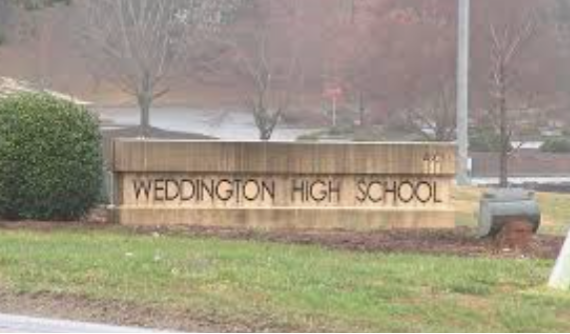
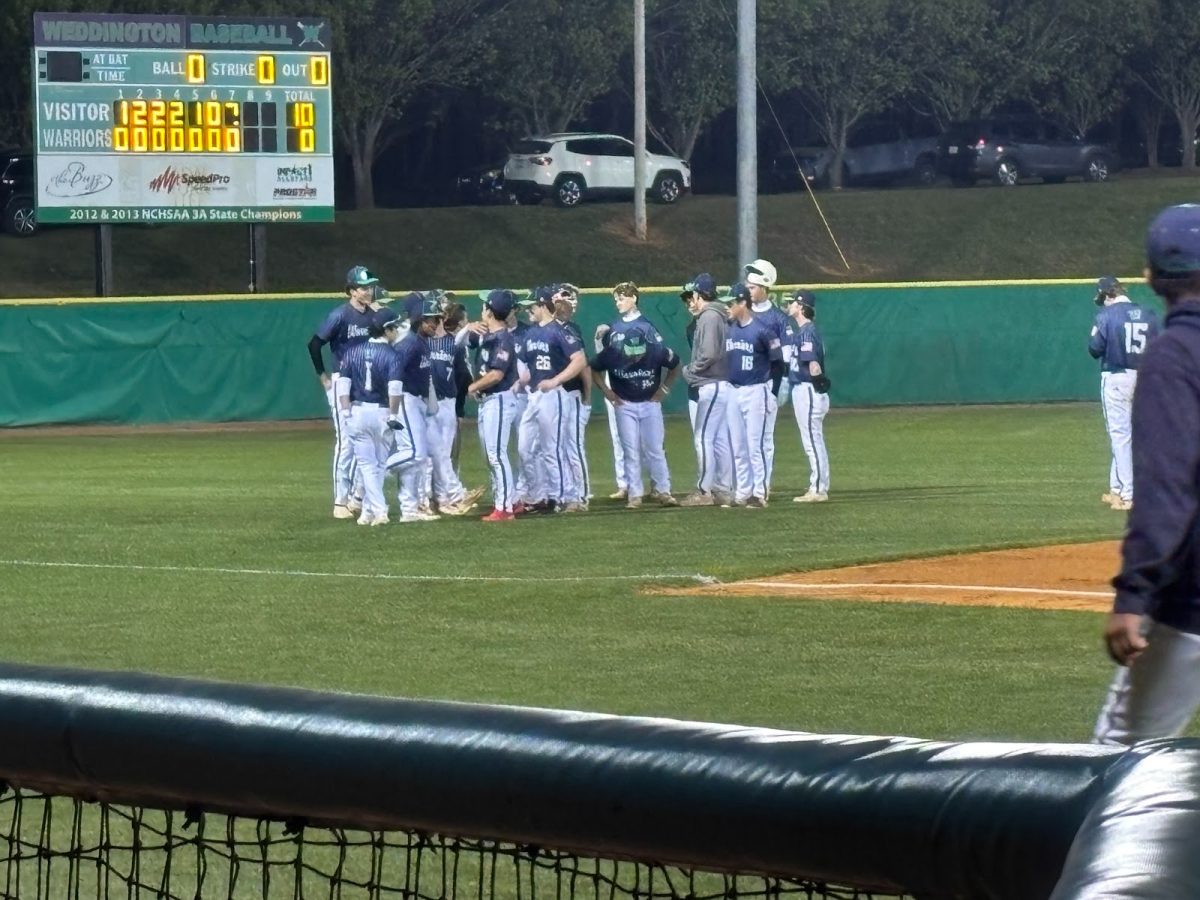
So how has NIL affected Weddington High School athletes so far? As of now—not heavily. According to Weddington baseball coach, Mr. Hurni, “NIL has not really impacted high school sports much in the first few years. Only a handful of high school athletes have signed deals in North Carolina.” However, that does not mean NIL hasn’t indirectly brought about change in other areas of athletics such as recruiting as Hurni explained, “The biggest change that we have seen affecting high school recruiting, especially in baseball, has been the influence of the transfer portal. This allows players to transfer to another school and immediately become eligible instead of sitting out a year as it was previously.” Through the combination of NIL and the transfer portal, student-athletes now have much more flexibility in shaping both their academic and athletic paths. For example, Hurni stated that the flexibility provided from the transfer portal has “caused many high school baseball players to choose Junior College or Division II programs and then transfer to Division I after a few years.”
Resources
While this article provides an overview of NIL, there are many detailed resources available to help athletes and families make informed decisions. Cited are several reliable sources that explain the rules, regulations, and opportunities associated with NIL: