Teddy’s parents shared how meaningful the experience had been: “Before this program, he was afraid to even try sports. Now he asks every week when tennis is, and seeing him serve the ball by himself filled me with pride.”
A unique opportunity for children with autism and other neurodivergent conditions is making a meaningful impact right now in our community. This gap leaves many families searching for accessible, inclusive activities where their children feel supported. Traditional sports programs move too quickly or lack the individualized attention neurodivergent children need to succeed. As a result, opportunities to build confidence, social skills and physical skills can be limited. Programs tailored for these learners are essential, giving every child a place to grow and belong.
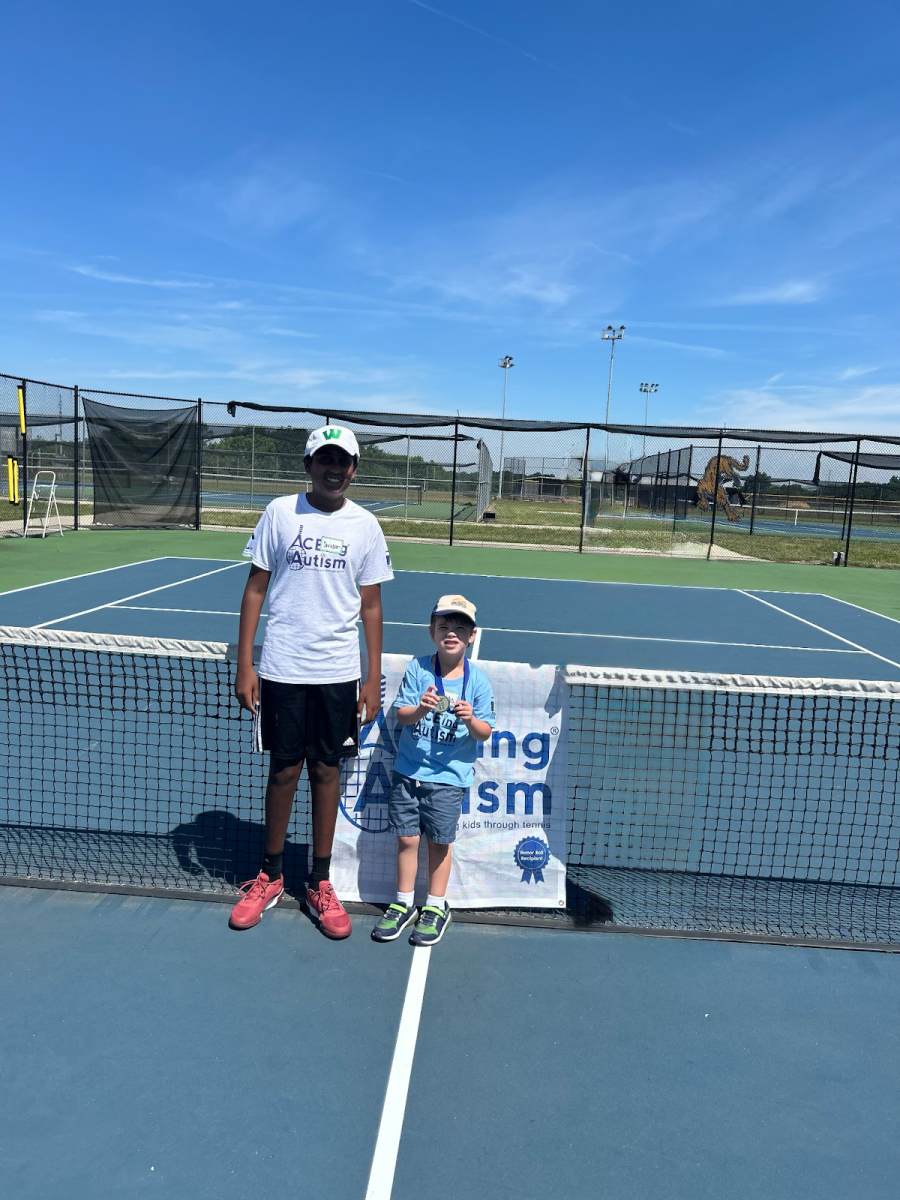
Aceing Autism, a non profit organization dedicated to helping children build social skills and physical coordination through Tennis, hosts regular coaching sessions at CATA-just a short drive from many local families.
The program pairs trained volunteers with participants in a supportive, low-pressure environment designed to build confidence, communication and movement skills. Through structured games and one-on-one guidance, children practice not only tennis basics but also important life skills such as taking turns, following directions, and interacting with peers.
What makes this program especially valuable is its strong local involvement. Student volunteers, coaches, and community members work together to create a welcoming space where every child can learn at their own pace. Parents often notice their children becoming more confident, more willing to try new things, and better able to connect with others.
Because sessions take place nearby, Aceing Autism directly serves families in our area who may otherwise struggle to find inclusive activities. The organization is always looking for volunteers, making it a meaningful way for students to earn service hours while helping others.
One moment from the program shows just how powerful this experience can be. When I first met one student, Teddy(name changed for privacy), he stood quietly at the side of the court holding his racket tightly. Hitting a moving tennis ball felt overwhelming, and during the first session he missed again and again. Frustration started to build, so instead of continuing with normal drills, I changed the lesson completely.
We began with the simplest step: passing the ball back and forth by hand. No rackets, no pressure, just learning to pass the ball and return it. Then we moved to gently throwing and catching. Once that felt comfortable, we added the racket to tap a still ball, then a ball after one bounce and finally slow underhand tosses. Each small step built toward the next. Progress was slow and required patience, repeating the same actions many times and celebrating even tiny improvements.
After several weeks, something incredible happened. During practice, Teddy tossed the ball up, swung, and served it cleanly over the net. He looked surprised for a second, then broke into a huge smile as everyone cheered. That single serve represented weeks of effort, patience, and belief.
Teddy’s parents shared how meaningful the experience had been: “Before this program, he was afraid to even try sports. Now he asks every week when tennis is, and seeing him serve the ball by himself filled me with pride.”
Working with him taught me just as much as it helped him. I learned how important it is to break big skills into smaller parts and to meet each learner where they are. Today, Teddy serves with confidence and looks forward to every session. More importantly, he now believes he can do hard things.
Stories like his show why programs like Aceing Autism matter (https://aceingautism.org/). By volunteering, spreading awareness, or simply supporting participants, our community can help ensure that every child has the chance to participate, grow, and feel that they belong.