Students spend more than a decade in school preparing for the future. They solve equations, write essays, study science, and analyze history. Yet when graduation arrives, many are unsure how to manage a paycheck, build credit, or make informed financial decisions. The gap between classroom learning and real-world financial literacy remains significant.
Financial literacy is not an advanced specialty. It is a life requirement. Budgeting, understanding credit, investing, and managing loans are fundamental skills for adulthood. However, these topics are often treated as optional or briefly covered, leaving students to learn through trial and error.
In reality, these concepts can be learned. Budgeting teaches how to control income and expenses. Credit education explains how financial reputation affects future opportunities. Investing introduces long-term thinking and financial growth. Loan management clarifies how borrowing works and how interest shapes repayment. These are not abstract ideas; they are practical tools for independence.
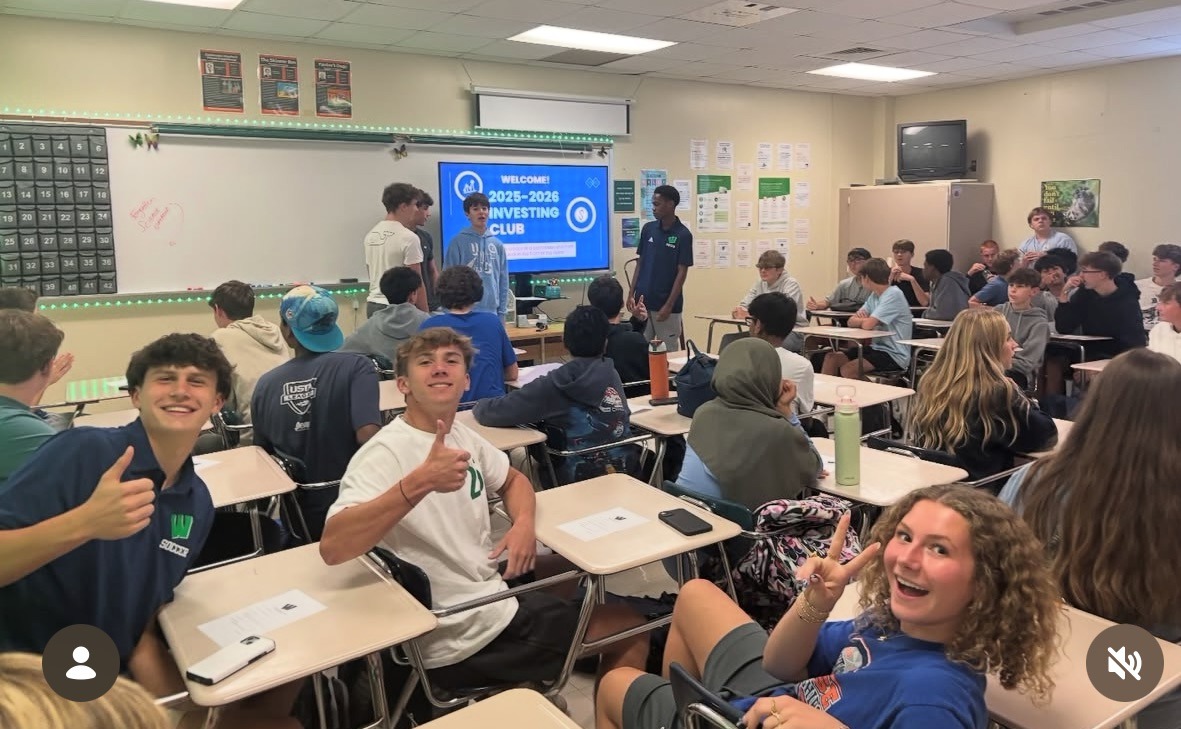
At Weddington High School, students are taking initiative. The Investment Club, led by Tristan Graziano, Evan Flynn, Garrett Norton, Michael Ikuru, Paxton Smith, Tyler Ford, and myself provides hands-on exposure to financial strategy and market analysis. Members gain experience evaluating stocks and discussing economic trends, allowing them to apply financial concepts beyond textbooks. “Financial literacy empowers students to make informed choices now, preventing expensive lessons later,” says Tristan Graziano.
Financial preparation also connects to civic awareness. Leap for Youth, which I co-founded with my sister Srinithi Daggubati, helps students understand advocacy, policy, and civic engagement. Through this experience, participants see how financial systems intersect with government decisions and community impact. Financial knowledge becomes more than personal gain; it becomes informed participation.
As Mrs. Vespo, a dedicated teacher at Weddington High School, who leads AP Macroeconomics, AP Microeconomics and Personal Finance, explained: “Over the past three years, I have had students tell me they started a 529 plan or opened an IRA. Others have shown me their micro-investing accounts and even their personal budget journals. That’s when you know it’s working.” These are not theoretical outcomes; they are behavioral shifts. With 30 out of 50 states now mandating financial literacy, the structural foundation exists for generational change. When students are taught financial responsibility early, knowledge converts into agency, and agency converts into measurable financial action.
The larger issue is preparation. Academic success alone does not guarantee readiness for adulthood. Schools play a critical role in closing the gap between theory and real-world application. Financial education should begin at a young age, building foundational knowledge before students encounter Economics and Personal Finance courses in high school.

I am collaborating with Mr. Whitford through Leap for Youth to develop a curriculum for elementary and middle school students, intentionally bridging learning gaps early on. The goal is to ensure students not only grasp these concepts more confidently when they eventually take Economics or Personal Finance courses, but also that, even if they never enroll in those classes, they still graduate with the essential financial foundations needed for their future.
Financial literacy builds confidence. It strengthens decision-making. Most importantly, it equips students with the tools needed to navigate life after graduation — not just academically, but practically and responsibly. In a world driven by money and choices, financial literacy isn’t optional; it’s essential.