The ethics behind Artificial Intelligence (AI) are fiercely debated making it one of the most polarizing topics today. The implementation of AI has sparked intense debate over the stability of the economy; career losses for writers, artists, and customer service workers have become increasingly prevalent. Additionally, the running and training for large AI models requires copious amounts of energy and water—a lot of it going toward low-quality content that bombards the internet.
In the world of education, however, the core conflict surrounds trust. In the minds of various educators, student autonomy is being fractured. To the average fourteen year old, the objective is to turn in a worksheet and move on—the means don’t matter. Of course, this mindset fails to prepare teens to embark on their own, and in a rapidly changing economy, it’s detrimental. Consequently, AI is reduced to a harmful crutch in the eyes of an educator—with most benefits being swiftly overshadowed. Students are told with an ironclad fist that AI is strictly prohibited—often not even permitted with regulations. But what about the benefits that are being passed over?
While it may seem counterintuitive, strict prohibition often does more harm than good. It’s simple psychology really. Direct, uncompromising orders trigger defensiveness—not the desire to cooperate. Teens adamant on convenience will push back. Strict prohibition will merely fuel sneaky attempts to slip through the cracks; strict prohibition is partially why inaccurate AI detectors and sneaky AI humanizer apps have emerged. Above all, strict prohibition doesn’t tell students how to utilize the benefits of AI so that it stays a tool and not a crutch. Students are being stripped of a vital learning opportunity. Learning to use AI is becoming increasingly pivotal in the modern workforce.
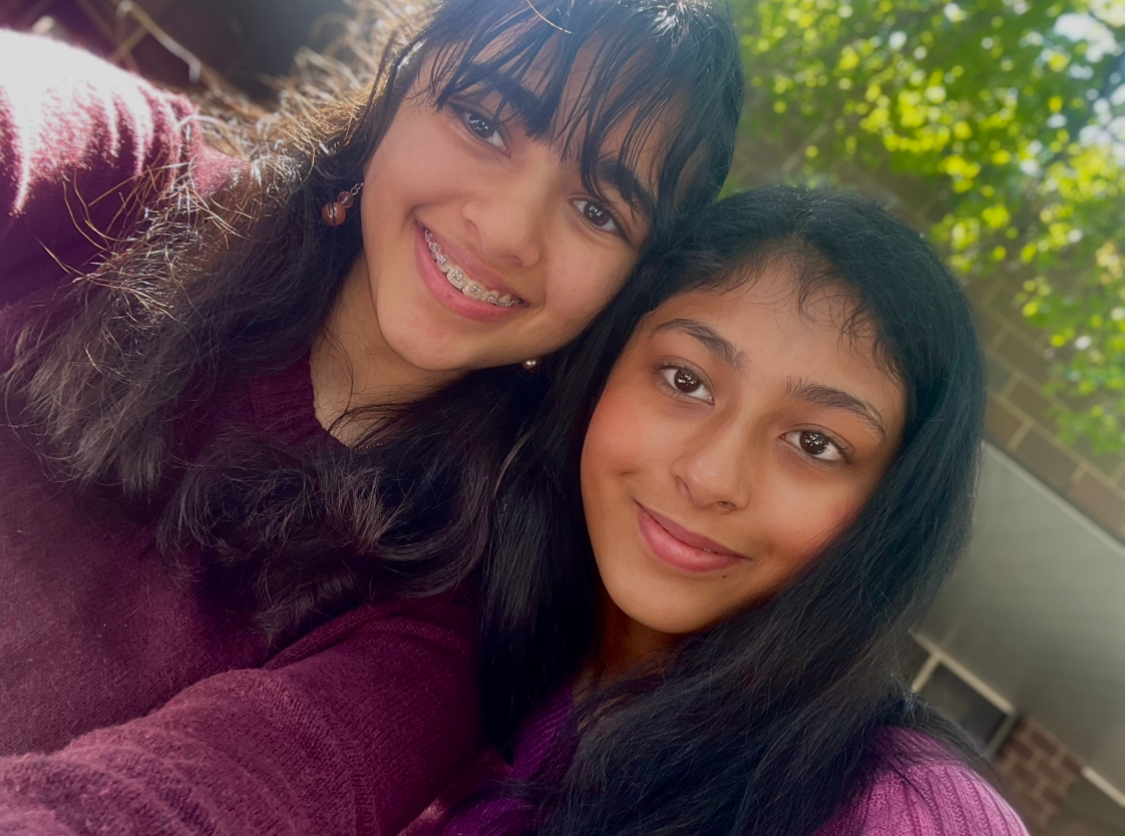
That’s why sophomores Avani Prashanth and Miraya Shah are working to establish a school club that encompasses the ethical use of Artificial Intelligence: The AI Literacy and Innovation Club.
The underlying idea is highly informed: “Our goal is to help AI fundamentals and its developing applications.” Shah embraces the duality of the controversy, underscoring the importance of “[exploring] ethical dilemmas that surround [AI] such as privacy rights, academic integrity, and misinformation” through “hands-on debates” and “active discussions about the pros and cons.” Reaching balance is the ultimate objective: “The responsible use of AI can support [students’] daily lives.” According to Prashanth, the club “takes a global influence and teaches students how to use such an important factor that is ingrained into our daily lives in a fun and collaborative way.” The club is a spectacular compromise between prohibition and passive, unregulated usage.
Enacting the critical thinking skills necessary to use AI with purpose is what’s needed to convert passive, unprepared users into attentive evaluators. The playing field will even out between tech-savvy students who are determined to find workarounds behind the ban and students that are becoming increasingly vulnerable to falling behind without any exposure to AI.
Even if the club doesn’t come to fruition, its underlying idea deserves recognition. Schools are winning the short-term battle by making AI vacant from campuses. However, prohibition fosters a manufactured environment that simply doesn’t exist. The job sphere isn’t the place to learn base skills; the job sphere is the place to apply them. AI is becoming a base skill, whether society is ready or not. In ten years, AI will be ubiquitous. It will be inescapable in our daily lives; it will be inescapable in our professions. Fighting AI will not make it disappear; adaptation is how we must learn to thrive.